

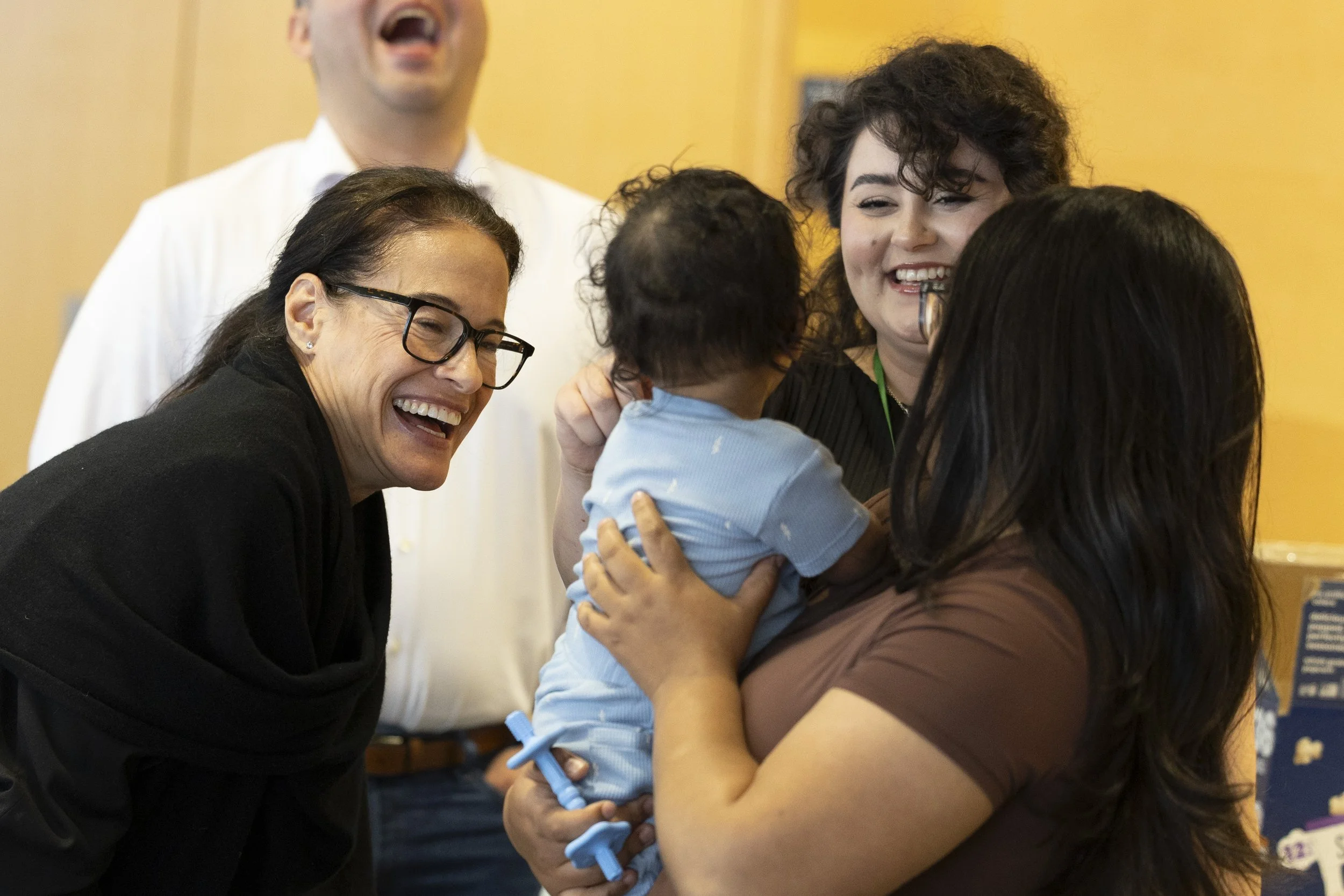
you are not alone. We are here to provide resources and community for you
Receiving this diagnosis can be overwhelming, difficult to understand, and upsetting. Our Foundation exists to provide you with as many resources and information as possible to help you navigate this new reality. Below you will find suggested next steps to get informed and provide yourself & your medical team with the tools & knowledge to best support you & your family.*
Review & share this peer-reviewed Clinical Recommendation document with your medical team. (Parent-friendly version here.)
Direct your medical provider & team of specialists to our website - here are resources for them.
Review the links & videos below for understanding more about the common symptoms associated with Gould Syndrome.
(West Coast - USA) Referral to Gould Syndrome Center.* (East Coast - USA) Referral to Dr. Musolino and Musolino Lab: for assistance with referrals, enroll with the Musolino Lab research, or establish care with Dr. Musolino and other specialists at MGH, please reach out directly at: musolinolab@mgh.harvard.edu.
* USCF Clinic and MGH important notes:
The UCSF Gould Syndrome clinic and Musolino team and associated colleagues at MGH can only offer non-urgent consultations.
The UCSF Gould Syndrome clinic and MGH are not able to serve as a medical home unless a family lives locally. Individuals and families are strongly encouraged to have a local team of specialists to help manage patient needs on a regular basis.
All insurance approvals are handled on a case-by-case basis
For UCSF Clinic: Out-of-state Medicaid patients and international patients generally cannot be scheduled at this time.
Referral processes in general can take time, please be patient and know the staff at MGH and UCSF are working hard to respond to all referrals in a timely manner.
Review our External Resources Page for various support resources via community and more.
Join our private, Foundation-moderated Facebook Group for support and resources
Watch the NORD (National Organization of Rare Disorders) video for newly diagnosed rare disease patients here
Ask for support. Majority of the United States have programs that can offer early intervention services, financial assistance, and in-home services for persons with extra needs - often times at little or no extra cost. Your care provider might be able to provide more information, or your state health department.
*These steps are a guide only and do not replace the guidance & care of your medical team.