

Freddie’s Story
11 months old, Sydney, Australia
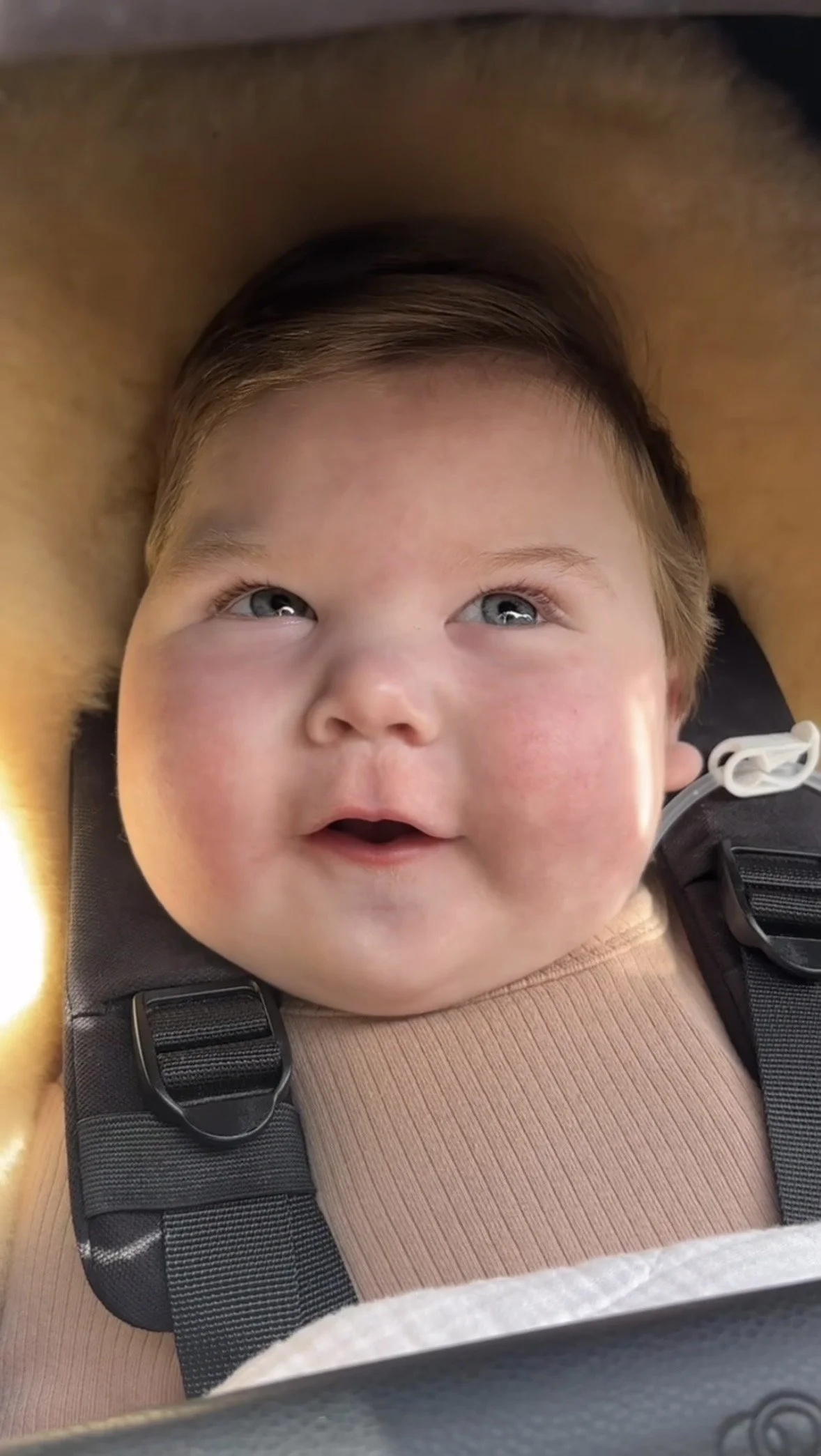
Freddie was born in May 2025 after a happy and uneventful pregnancy. He was a little bit small for gestational age when he was born, but otherwise a completely typical newborn.
We had a fantastic, smooth first six weeks, but when we went to the GP for his routine six-week check his head hadn’t grown as much as expected. This prompted a head ultrasound which showed multiple abnormalities, so we presented to the children’s hospital for an MRI that night.
The MRI showed widespread brain differences including abnormal development (polymicrogyria and schizencephaly), reduced brain volume, cysts, and evidence of past brain bleeds.
This prompted genetic testing which didn’t come back until Freddie was 9 months old. He has a denovo COL4A1 deletion, Gould Syndrome, and the effects have been significant for him.
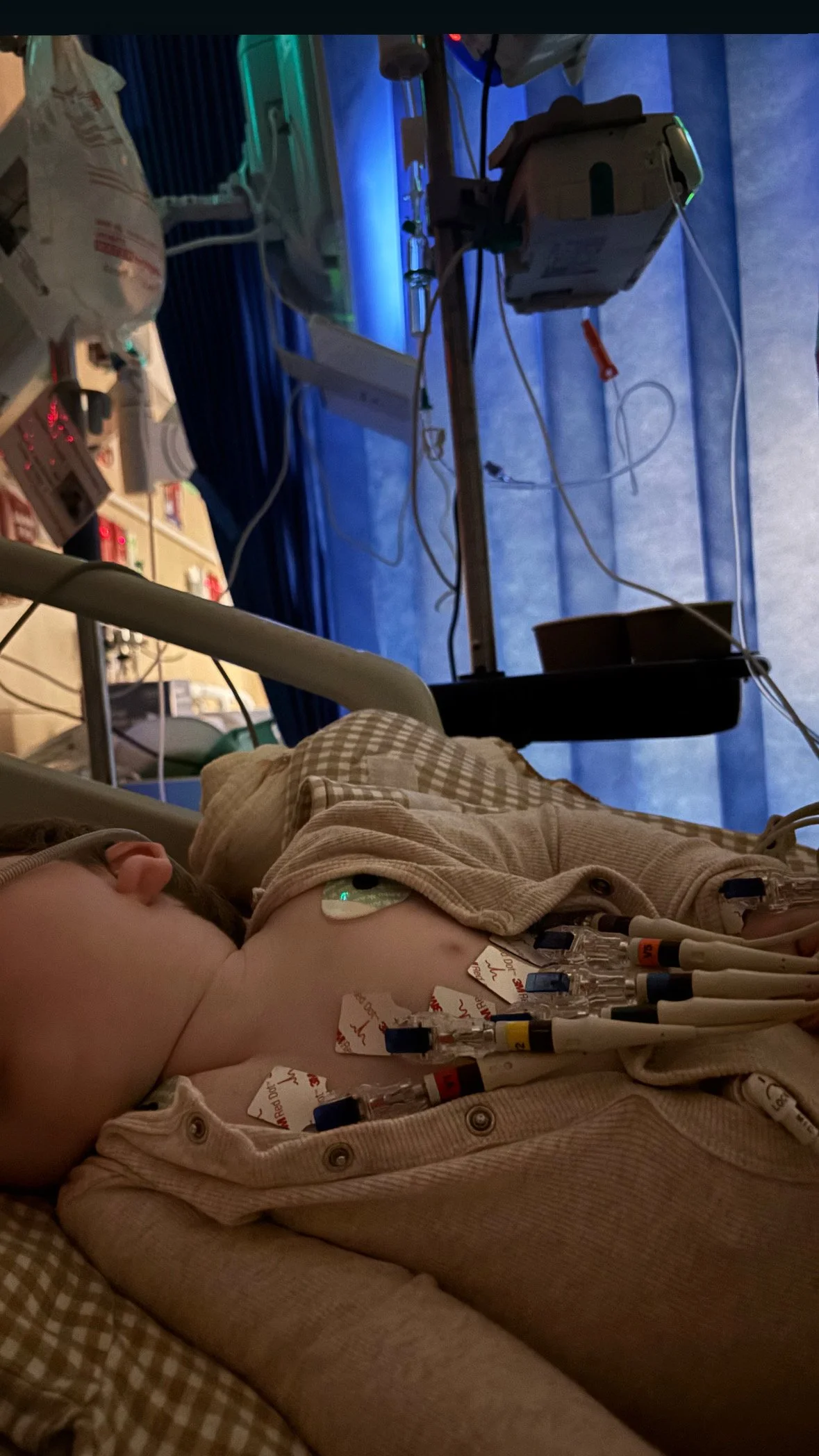
He has refractory epilepsy, with his first seizures occurring at ten weeks old. We haven’t been able to successfully control his epilepsy. He has prolonged cyanotic seizures which occur in clusters.
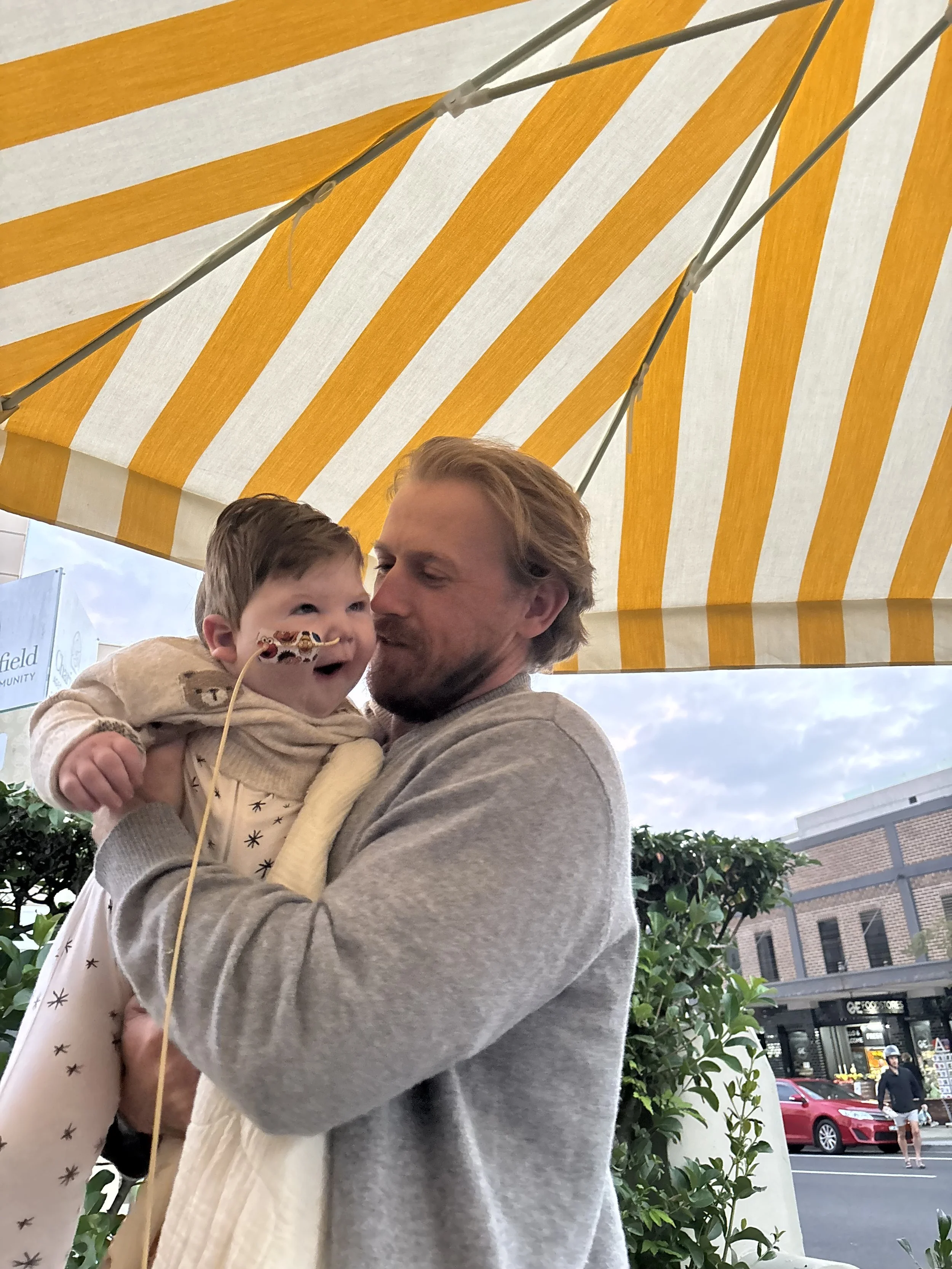
The neurology team at the children’s hospital have referred him to the palliative care team because of the risks associated with his uncontrolled epilepsy. They can’t give us an answer on how shortened they expect his life to be. We love him so much, and appreciate every day we have with him.
Freddie also has extreme cerebral irritability and requires maximum doses of many calming medications. Our priority is keeping him happy and comfortable.
He has global developmental delay, spasticity in his legs, and a weaker right side. He has low muscle tone through his neck as a side effect of his medications. He works so hard in physio and OT each week.
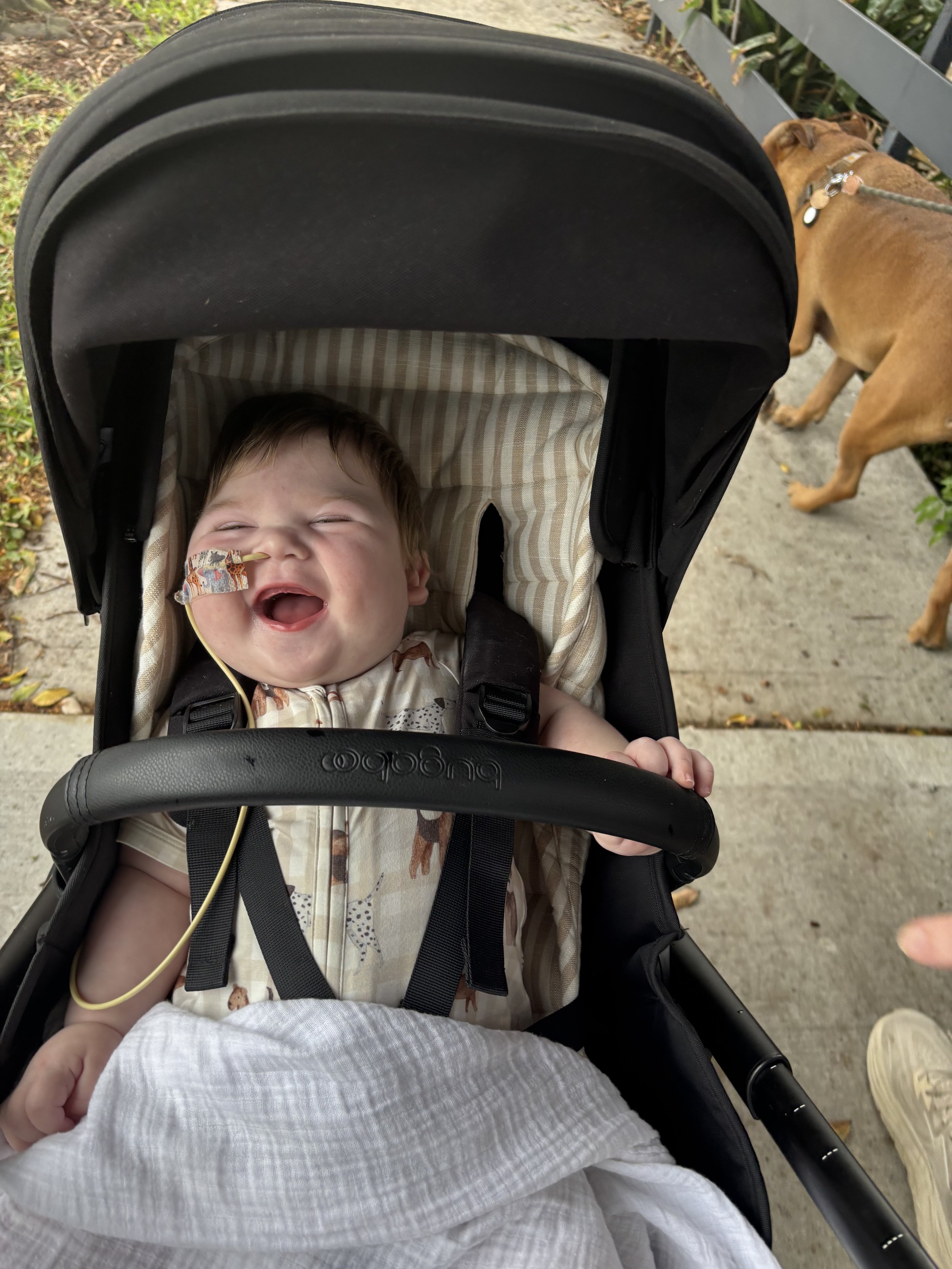
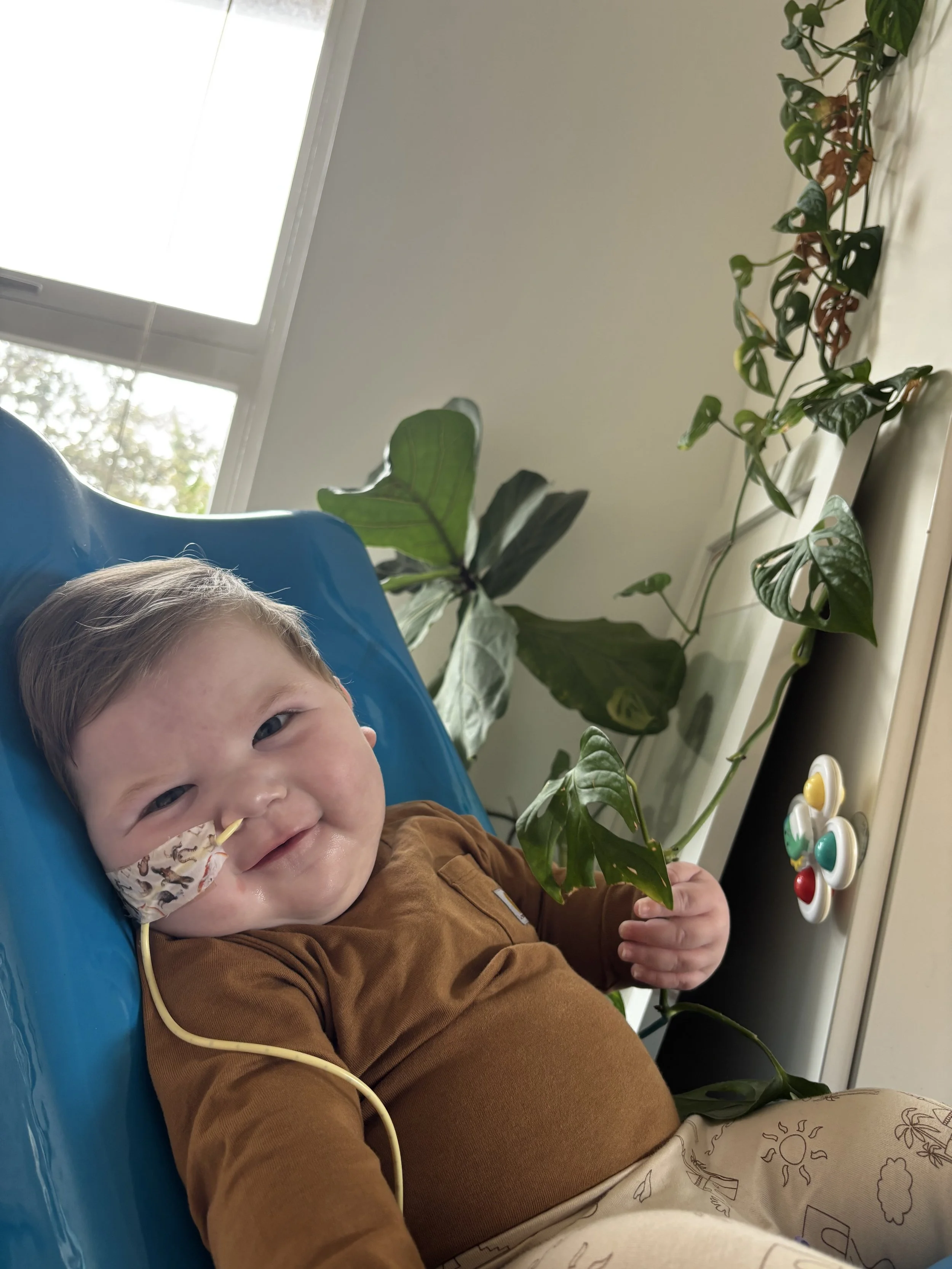
He is a recent graduate of his nasogastric tube, and has had a gastrostomy to have his feeds inserted straight into his tummy. He fed fantastically until 3 months old — his paediatrician explained that this is the age when the part of the brain responsible for feeding migrates to a different area (where Freddie has abnormalities). He is working towards eating some solids with a speech pathologist.
He frequently gets UTIs — his renal investigations are ongoing. His eyes are structurally normal and, as far as we can currently tell, he can see high contrast things.
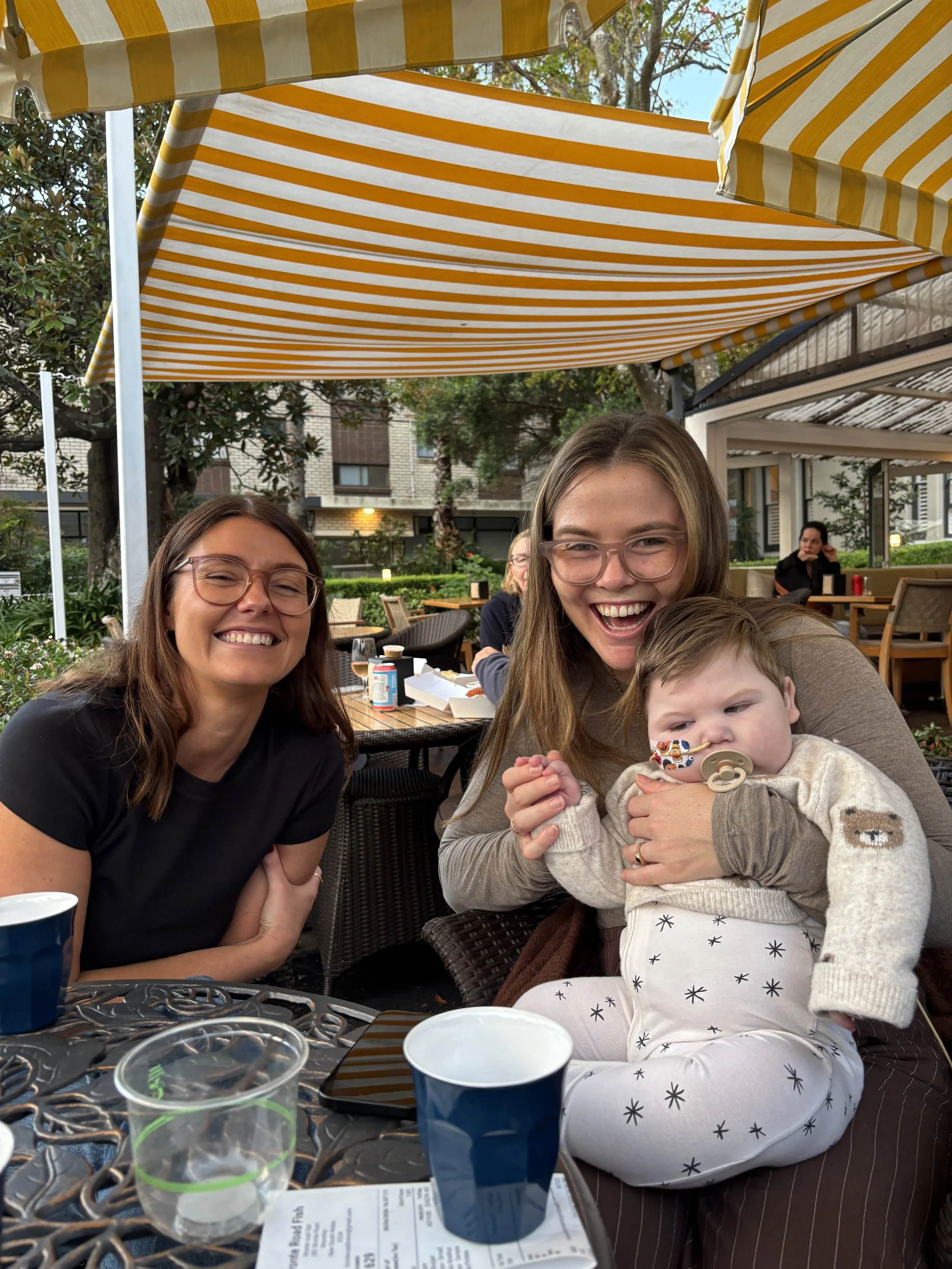
We are so thankful for our online community who have walked this path ahead of us and so warmly shared their stories with us. No two kids are ever the same, but it’s so beautiful so see kids a bit older than Freddie with big, bright smiles (and as I’ve noticed, always a luscious head of hair)!
The more we openly share Freddie’s story, the more understanding grows and inclusion follows. We hope for progress in research and treatment options in his future.
Make a gift in honor of Freddie today!
Donate now and double your impact: Check if your workplace provides donation matching to maximize your contribution.
About The Gould Syndrome Foundation
Gould Syndrome is a rare genetic disorder affecting multiple systems, often involving cerebral vasculature defects, ocular dysgenesis, myopathy, and kidney abnormalities. Emerging features include brain and lung abnormalities. It is diagnosed through a COL4A1 or COL4A2 genetic variant. If inherited, the carrier parent may be mildly affected or unaffected, potentially due to mosaicism, where mutation presence varies across cells.
Donations received support The Gould Syndrome Foundation’s mission to empower and improve the lives of affected individuals and their families through awareness, advocacy, education, and supporting research. We rely on our Scientific and Medical Advisory Board to help guide our decisions when funding research, and will review all applications for research funding using a system of peer review. Our Scientific and Medical Advisory Board is an international group of researchers and doctors expert in all aspects of Gould Syndrome who volunteer their skills to guide our foundation's decision making. Your donation makes a difference in learning more about this rare disease and possible treatments.
If you prefer to donate by check, you may mail it to the following address, and note that your donation is in honor or in memory of a specific individual.
The Gould Syndrome Foundation
25 Pinecrest Avenue
Peabody, MA 01960
The Gould Syndrome Foundation is an official entity recognized by the federal government and a 501(c)(3) non-profit charitable organization. Your donation is tax deductible. Tax ID: 33-1807591