

The UCSF COL4A1/2 Natural History Study
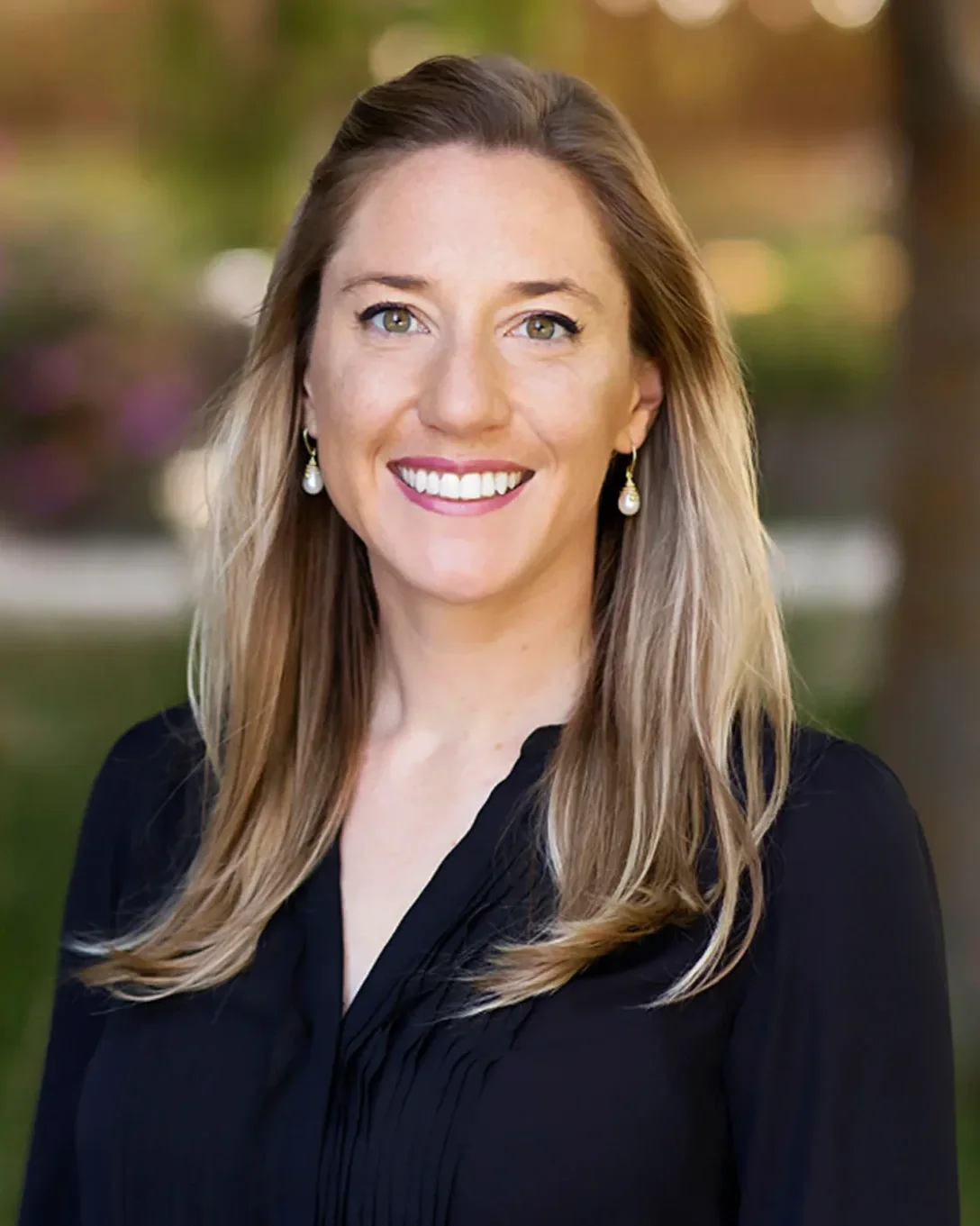
Led by Dr. Rachel Vassar at University of California, San Francisco (UCSF) Benioff Children’s Hospital, this study follows people with COL4A1 and COL4A2 variants to understand the full picture of Gould Syndrome: the range of features people experience, from brain and eye to kidney and muscle, and how they change over time.
The hospital is also home to the Gould Syndrome Center, the first clinical center dedicated to Gould Syndrome.*
AT a glance
Who can join: Anyone with a confirmed COL4A1 or COL4A2 variant (including VUS) if they or a family member have symptoms that could be related. Fetuses are included. Open to families in the US and internationally.
Where: UCSF Benioff Children's Hospital in San Francisco, California or remotely
What's involved:
Sharing medical records and answering questions about how you're doing
Patients may have the option to provide blood or fibroblast samples in the future
Follow-up: at least once a year for 5 to 10 years (via remote online survey)
Cost: none
You're welcome to join this study even if you're already in the MGH study.
*Please note that participation in the natural history study will not impact your/your child’s medical care. If you are interested in scheduling a clinical appointment at UCSF, contact your PCP for a referral.
view the webinar from june 24, 2026
frequently asked questions
-
The UCSF COl4A1/2 study is both retrospective (looking back at prior health history) and prospective (monitoring changes over time).
-
A submission of medical records will be requested for participants. Providing blood samples is optional. Blood samples require that the individual be receiving clinical care at UCSF and provide an in-person sample.
-
We will review your medical records to extract standardized data elements about your health history over time. This may include results from imaging studies or lab tests. Blood sample submission, which is optional, requires that the individual be receiving clinical care at UCSF. If you choose to participate in the optional component of the study that involves a blood draw performed at UCSF, we may use your blood sample for additional studies on how your specific COL4A1/2 variant affects blood vessel formation and we may look for biomarkers that could be used in the future to assess disease severity. All of this would be done on a research basis and blood samples would be anonymized, so results would not be shared with the individual participant or influence clinical management.
-
We aim to collect as much information as possible through the electronic health records which in many cases are connected across multiple hospitals. If we are unable to access key medical records electronically, we may ask for participants to voluntarily submit medical records that we will store on a secure UCSF-hosted server. We are using a database called REDCap, used in many types of natural history studies, to store data in a standardized manner. REDCap is a secure platform and data is only accessible to study investigators.
-
Our IRB allows for sharing of de-identified data with other academic institutions under a formal “Data Use Agreement” policy (currently we have one in place with Dr. Musolino’s lab at MGH). No identifiable data will be shared outside of UCSF.
-
There is no specific frequency with which the study recommends follow-up visits with key specialists. As part of the study, we will check in with participants via a remote online survey approximately once per year for 10 years.
-
We do not have a formal embargo (withholding) period, but we are hopeful that we will begin publishing data gathered from the natural history study in 1-2 years. Our goal is also to make the de-identified data available to the community once the natural history study is completed in approximately 9 years.